


We’re being advised to check in on older friends and family members due to the heat.
A status yellow ‘high temperature’ warning remains in effect until Friday morning, with temperatures expected to surpass 30 degrees tomorrow.
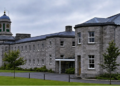
Oak Park in Carlow was one of the warmest place in the country at 28 degrees yesterday.
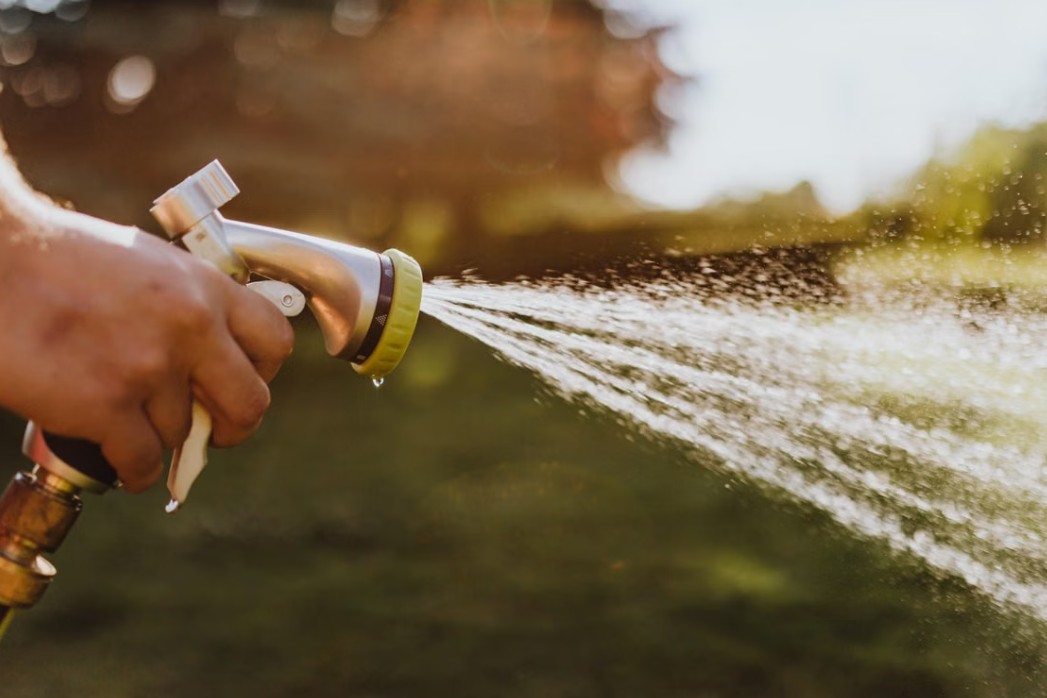
Uisce Éireann doesn’t foresee a hose-pipe ban as it stands but is appealing for us all to make more of an effort to conserve water in the coming days.
It’s advising you to check for leaks and dripping taps, avoid running the tap and choose a shower over a bath.
Margaret Attridge, Operations Manager at Uisce Éireann says treatment plants come under more pressure during warm weather; “During warm weather we do see a significant spike in water usage and that puts our treatment plants under pressure, we have had a lot of rain over the winter months so our bore holes sources and lake sources are really quite good across the country, but it’s our treatment plants come under pressure when there is a big jump in usage on warm weather with people out watering their gardens, you know, cleaning their driveways”.
Sean Moynihan, CEO of Alone, says older people in particular need to take extra care, noting; “Drink water regularly, stay indoors for the hottest part of the day, obviously sunscreen if you do have to go out, light meals, avoiding strenuous exercise and then ultimately if you’ve any sign of heat exhaustion headaches, dizziness, weakness or anything else please seek medical advice or reach out to friends, family or Alone”.
Experts warn sleeping might be uncomfortable during the hot weather.
Sleep Consultant, Tom Coleman says keeping blinds closed during the day will keep your bedroom cool saying’ “”I keep the blackout blinds closed but I keep the window open so that would be really helpful during the day because it stops the light and the heat coming in but it allows the air circulation and that’s key, we want that cross ventilation if possible in the bedroom”.
The HSE has issued the following:
- Avoid spending long periods outdoors during the hottest part of the day (11am to 3pm)
- Stay in the shade whenever possible
- Wear light-coloured, loose-fitting clothes
- Minimise unnecessary heating – turn off central heating, electrical equipment and lights that are not needed
- Keep your home cool by closing curtains or blinds during the day and opening windows when temperatures are cooler in the evening and overnight
- Dampening your skin with a wet cloth or wet towel may help to keep you cool
- Drink water regularly throughout the day, even if you do not feel thirsty
- Avoid alcoholic drinks, which can also cause dehydration
- Check that older adults and young children are drinking enough fluids
- Aim for pale-coloured pee as a sign of good hydration
- Babies under 6 months should continue to receive breast milk or infant formula as their source of fluids. Babies over 6 months may be offered water in addition to their usual milk feeds. Make sure they are having plenty of wet nappies.
- Oral rehydration sachets may be helpful if you are feel symptoms of dehydration – talk to your pharmacist about how best to use them
- Slip on clothing: Cover skin as much as possible, wear long sleeves.
- Slop on sunscreen. Apply a generous amount of sunscreen with a SPF of at least 30+ for adults and 50+ for children that has a high UVA protection and is water resistant. Reapply every 2 hours, more frequently after swimming or sweating.
- Slap on a wide-brimmed hat. Protect your face, ears and neck. Baseball caps do not provide enough protection.
- Seek shade – especially if outdoors between 11am and 3pm – and always use a sunshade on a child’s buggy. Keep babies out of direct sunlight.
- Slide on sunglasses. Guard your eyes from harm by wearing sunglasses with UV protection.
- Older people
- Infants and young children
- People with heart, lung, kidney or other chronic illnesses
- People with dementia
- People experiencing homelessness
- Outdoor workers and those involved in strenuous physical activity
- Excessive sweating
- Dizziness
- Headache
- Muscle cramps
- Nausea
- Fatigue
- Confusion or altered behaviour
- Loss of consciousness
- Seizures
- Very high body temperature
- Hot, dry skin / No longer sweating