



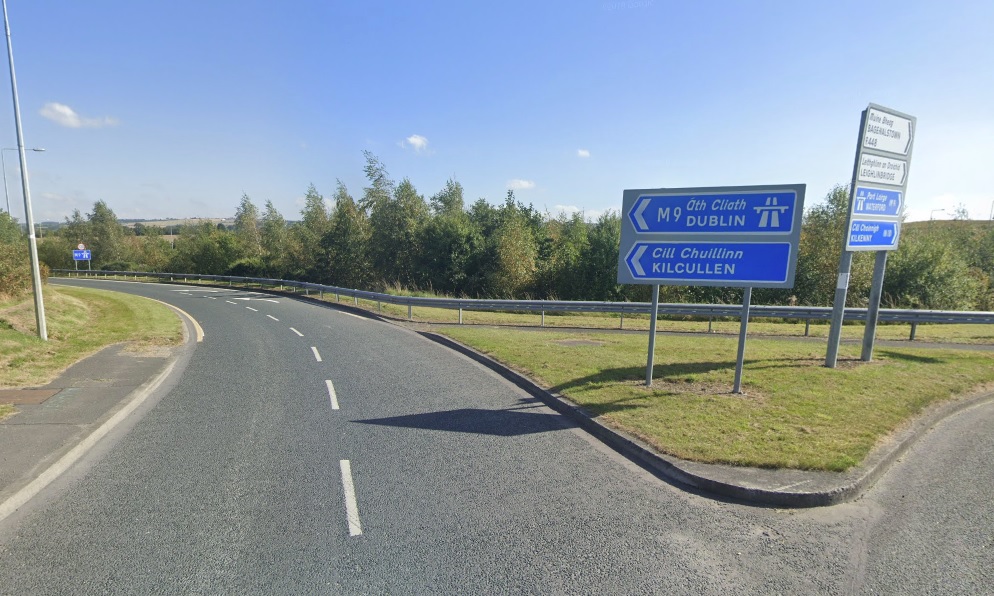
There has been a sharp fall in the number of people travelling on motorways at night following the tragic wrong-way crash on the M9 last month.
Analysis from the Sunday Independent shows that in the weeks following the collision, which claimed the lives of five teenagers and seriously injured a local family—thousands fewer trips were made on some of the country’s busiest routes compared to the same period last year.
Hourly monitoring of traffic on the Naas Road showed that the number of cars driving between Junction 5 and Junction 6 at midnight the day after the M9 crash halved compared to twelve months earlier.
In Dublin, night-time traffic plummeted by 40% on the stretch between Citywest and Rathcoole, and by 35% between the junctions at Newlands Cross and Kingswood.
In the weeks since the M9 tragedy, there have been 75,000 fewer journeys through Junction 10 on the M50, and a drop of 45,000 vehicles passing through Junction 12 compared to last year.
However, Transport Infrastructure Ireland (TII) notes that traffic levels are heavily influenced by seasonal factors—such as shifting back-to-school routines and changing weather conditions—making it difficult to definitively measure if wrong-way driving incidents permanently alter motorist behaviour.